Pregnancy › Week by Week › Week 33
At 33 weeks your baby is about the size of a pineapple, and settling into the final stretch that is mostly about growing, gaining, and getting ready.
Size
A pineapple
head to heel
Length
17.2 in
about 43.7 cm
Weight
4.2 lb
about 1900 g

Your baby at 33 weeks
The skull stays deliberately soft, your antibodies are crossing over, and the fluid your baby floats in is near its peak.
Your baby looks a lot like a newborn now, just leaner, and the work this week is quieter than it looks: laying down fat, refining the systems already built, and preparing for the passage out.
A soft skull. The bones of the skull have formed but are not yet fused together. They stay separated by soft seams and spaces, called sutures and fontanelles, so the head can gently mold and overlap to fit through the birth canal. Those bones keep growing and knitting together well into the first years of life, which is why a newborn has soft spots.
Borrowed immunity. Antibodies are passing from you to your baby across the placenta, and this transfer picks up speed in these final weeks. That gift of protection helps shield your baby from some infections in the early months of life, before their own immune system has fully found its feet.
Room and fluid. The amount of amniotic fluid around your baby is around its highest point now. As your baby keeps growing, that cushion of room shrinks, so the big somersaults of a month ago start to feel more like firm rolls, jabs, and pushes. Those movements should still be regular, and getting to know their pattern matters more than ever.
How big is your baby at 33 weeks?
About 17.2 inches head to heel and roughly 4.2 pounds.
From here your baby will keep packing on weight steadily, often around half a pound a week, filling out the arms, legs, and cheeks. Much of that final growth is the fat that will smooth out their skin, help control their body temperature, and give them the reserves they need in the first days after birth.
Your body at 33 weeks
A surge of nesting energy, a stubborn backache, and sleep that arrives in pieces.
Many people feel a real pull to get things ready this week, to wash the tiny clothes, sort the drawers, and make the corner for the baby feel just right. Lean into it if you have the energy, and enjoy it. Setting up a soft, welcoming space is part of the fun of getting ready, not a chore to rush through. Just keep the ladders and heavy lifting for someone else, and a good pregnancy pillow is worth its space when you finally stop for the night.
Other common company this week: an aching lower back and pelvis as your center of gravity shifts, swelling in the feet and hands by the end of the day, more frequent trips to the bathroom, and Braxton Hicks tightenings that come and go. These practice contractions are irregular and usually ease when you change position or rest.
What is normal, and when to call your provider
Third trimester aches are expected, but call your doctor or midwife the same day if you have any of these:
- A noticeable drop in your baby’s movements, or a pattern that feels different from usual, movement counts matter now, so call the same day
- Any vaginal bleeding
- A severe headache, changes in your vision, or sudden swelling of the face and hands, which can signal preeclampsia
- A gush or steady leak of fluid, which can mean your waters have broken
- Regular, painful contractions before 37 weeks, which can be a sign of preterm labor
- A fever over 100.4°F (38°C)
Your week 33 checklist
- Keep up your daily kick counts and note your baby’s usual rhythm
- Keep taking your prenatal vitamin every day
- Ride the nesting wave: wash and sort the newborn essentials while you have the energy
- Set up your sleep space with a good pregnancy pillow to take pressure off your back and hips
- Start your hospital bag list so nothing is a scramble later
Appointments and tests around 33 weeks
Visits are usually every two weeks now, with quick, routine checks each time.
At each appointment your provider will check your blood pressure, test your urine for protein, and measure your fundal height, the distance from your pubic bone to the top of your uterus, to track your baby’s growth. They will listen to the heartbeat and feel your belly to get a sense of your baby’s position. If your bump is measuring larger or smaller than expected, or you have a condition that needs closer watching, your provider may order a growth ultrasound to check your baby’s size and the amount of fluid. This is also a good moment to put your birth plan together and raise any questions about your birth preferences while there is still time to talk them through.
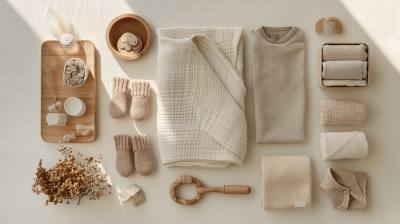
A few things worth having on hand now
A note for your partner
The nesting urge is real, and it is a lovely thing to share rather than watch. Offer to handle the lifting, the flat-pack furniture, and the top shelves so the person carrying can direct rather than climb. Washing the first little outfits together, or building the space for the baby side by side, is one of the quiet joys of this stretch. Ask what would make them feel most ready, then help make it happen.
Almost there, and still time
Around seven weeks, give or take, is a normal amount to still have ahead, even though the end feels suddenly close. If your body is tired and your mind is racing between excitement and lists, that is exactly the season you are in. You are doing the work of getting ready, and there is no need to have it all finished today.
33 weeks pregnant, common questions
Why do I suddenly want to clean and organize everything?
That burst of energy to tidy, wash, and prepare is often called nesting, and it is very common in the last weeks. No one knows exactly why it happens, but it seems tied to the instinct to get a space ready for your baby. Enjoy it, and pace yourself so you are not worn out.
Why does it hurt when my baby moves now?
With less room to stretch, a foot or elbow can press hard against your ribs, bladder, or side, and that can genuinely ache. It is usually normal. What you are watching for is a change in how often your baby moves, not how it feels, so keep counting and call if the pattern drops off.
Is my baby head down yet?
Many babies have settled head down by now, but plenty are still turning, and there is time. Your provider checks position by feeling your belly at each visit. If your baby is breech closer to your due date, they will talk you through the options, so try not to worry about it this week.
How much more weight will my baby gain?
Quite a lot. Babies often gain roughly half a pound a week through the final stretch and can put on a third or more of their birth weight from here. Most of that is the fat that fills out their cheeks and limbs and helps keep them warm after birth.



Sources
- American College of Obstetricians and Gynecologists (ACOG), third-trimester care and fetal growth guidance.
- Mayo Clinic, Fetal development: the 3rd trimester.
- MedlinePlus, National Library of Medicine (NIH), Fetal development and prenatal care.
Medical disclaimer: This page is for information and education only and is not a substitute for professional medical advice. Every pregnancy is different. Always follow the guidance of your doctor, midwife, or qualified provider, and contact them with any concerns.