You are getting dressed, you brush against a sore spot, and there it is: a tender little lump in your breast that was not there yesterday. A blocked milk duct is one of those breastfeeding hiccups almost no one warns you about, and it can go from “huh, that is tender” to “ouch” fast. The good news is most blocked ducts clear up at home within a day or two. Here is how to recognise one, clear it gently, and know when it has tipped into something that needs a doctor.
- A blocked duct is a tender, often hard lump where milk has built up and is not flowing well.
- Keep milk moving: feed or pump regularly and start on the sore side.
- Gentle warmth before a feed and cold afterwards both help.
- Most clear within 24 to 48 hours of frequent feeding and gentle care.
- A fever, redness, and flu-like aches can mean mastitis, which may need a doctor.
What a blocked duct feels like
In plain English: milk has backed up behind a narrowed spot in a duct, so it forms a tender lump and the area feels full, firm, and sore.
You will usually notice a localised lump or wedge-shaped firm area, tenderness or aching in that spot, and sometimes a small white dot on the nipple (a bleb) where the duct opening is blocked. Crucially, with a simple blocked duct you feel basically well overall. It is uncomfortable but you are not ill.
What causes them
Blocked ducts tend to show up when milk is not being removed often or fully enough, or when something is pressing on the breast. Common triggers:
- A missed, delayed, or rushed feed (hello, busy days and longer stretches of sleep).
- A tight bra, underwire, or a bag strap pressing across the breast.
- Oversupply, or a baby who is not latching deeply and draining well.
- Pressure from sleeping on your front.
- Stress and exhaustion, which we all have plenty of in early parenthood.
How to clear it at home
The headline rule is simple: keep the milk moving. You do not need to attack the lump (aggressive deep massage can actually irritate the tissue). Be gentle and consistent.
- Feed often, and start on the sore side. Babies suck most strongly at the start, which helps drain the affected breast.
- Try different positions. Pointing your baby’s chin toward the lump can help target that area.
- Warmth before, cold after. A warm compress or shower before feeding encourages flow; a cold pack afterwards eases swelling and pain.
- Use light, gentle pressure. Stroke softly from the lump toward the nipple while feeding, no digging or squeezing.
- Loosen the pressure. Skip tight bras and underwire for now, and avoid sleeping on the affected side.
- Rest and hydrate. Easier said than done, but rest genuinely helps your body recover.
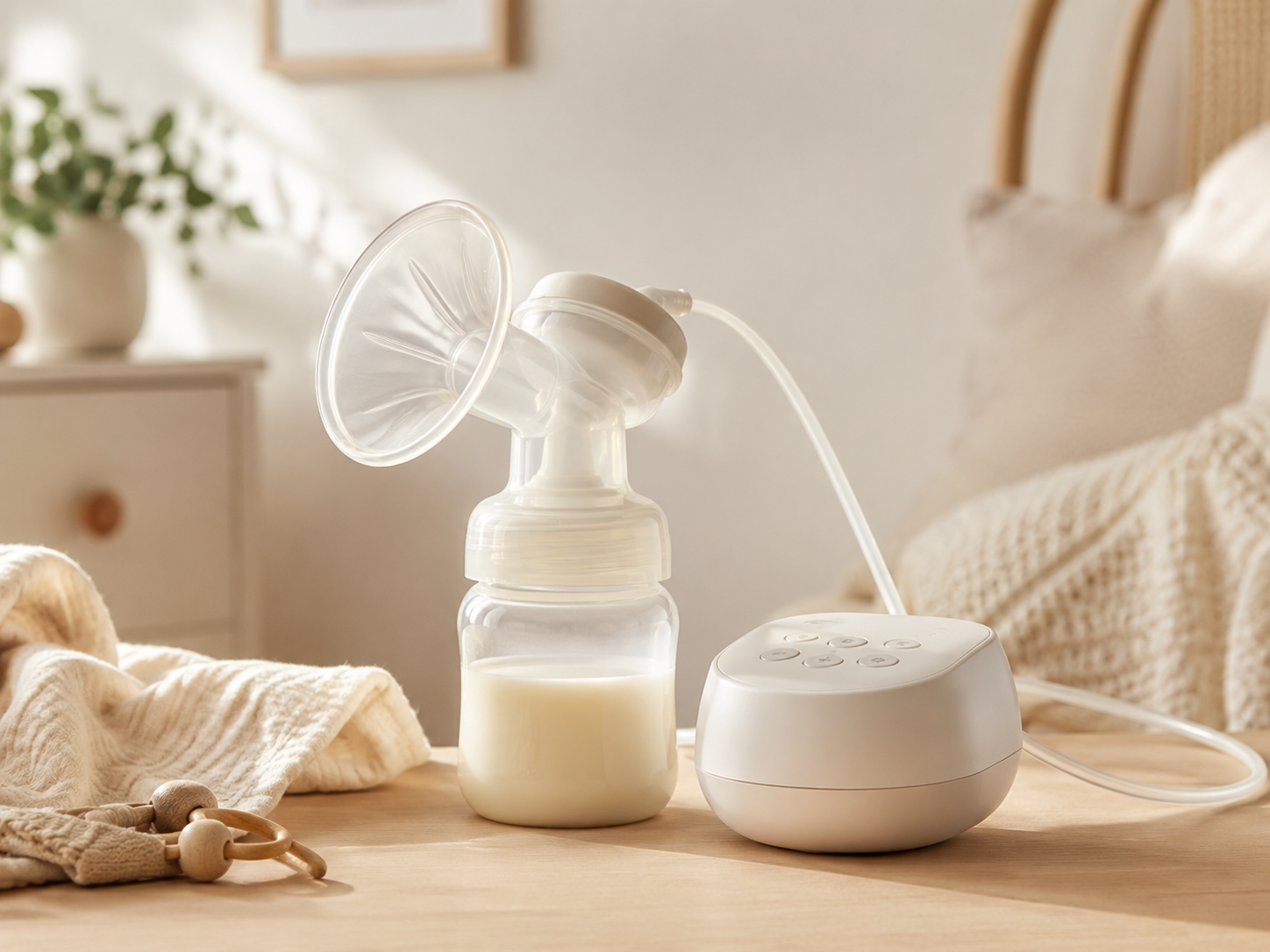
If a bleb is blocking things, do not pick at it. A warm soak can help it ease open on its own. If pumping helps you, a comfortable, well-fitted pump can keep milk moving between feeds; our guide to the best breast pumps covers solid options.
Blocked duct vs mastitis
This is the part to take seriously. A blocked duct that is not clearing can progress to mastitis, an inflammation (and sometimes infection) of the breast tissue. Here is how to tell them apart at a glance.
| Sign | Blocked duct | Mastitis |
|---|---|---|
| Lump | Tender, firm, localised | Tender, with a red or warm area |
| Skin | Normal, maybe slightly pink | Red, hot, sometimes streaky |
| How you feel | Basically well | Fever, chills, flu-like aches |
| Onset | Gradual, often eases with feeding | Can come on quickly and worsen |
When to call your provider or a lactation consultant
Reach out promptly if you develop a fever (around 38C / 100.4F or higher), if you feel flu-like with chills and body aches, if a red, hot, painful patch appears or spreads, or if the lump has not improved after about 24 to 48 hours of frequent feeding and gentle care. Mastitis often needs treatment, and sometimes antibiotics, so do not wait it out if those warning signs show up. Also call straight away if you notice pus or blood, a rapidly worsening area, or feel very unwell, as these can signal infection or, rarely, an abscess. A lactation consultant can also help fix an underlying latch or drainage issue so it does not keep happening.
Medical disclaimer: This article is for general educational purposes only and is not medical advice. It does not replace care from a doctor, midwife, or lactation consultant. Always speak with a qualified healthcare professional about breast pain, fever, infection, or any health concern. If you think you may be experiencing a medical emergency, contact your local emergency services right away.
Sources
- NHS. “Mastitis.” 2024.
- La Leche League International. “Plugged Ducts and Mastitis.” 2023.
- Mayo Clinic. “Mastitis: Symptoms and Causes.” 2024.
Did this help?
If it did, tap Yes below. It is the only thank-you we ask for, and it tells us what to write more of.
Thank you so much, that genuinely helps and means a lot.
Thanks for the honesty. Tell us what was missing and we will make it better.
